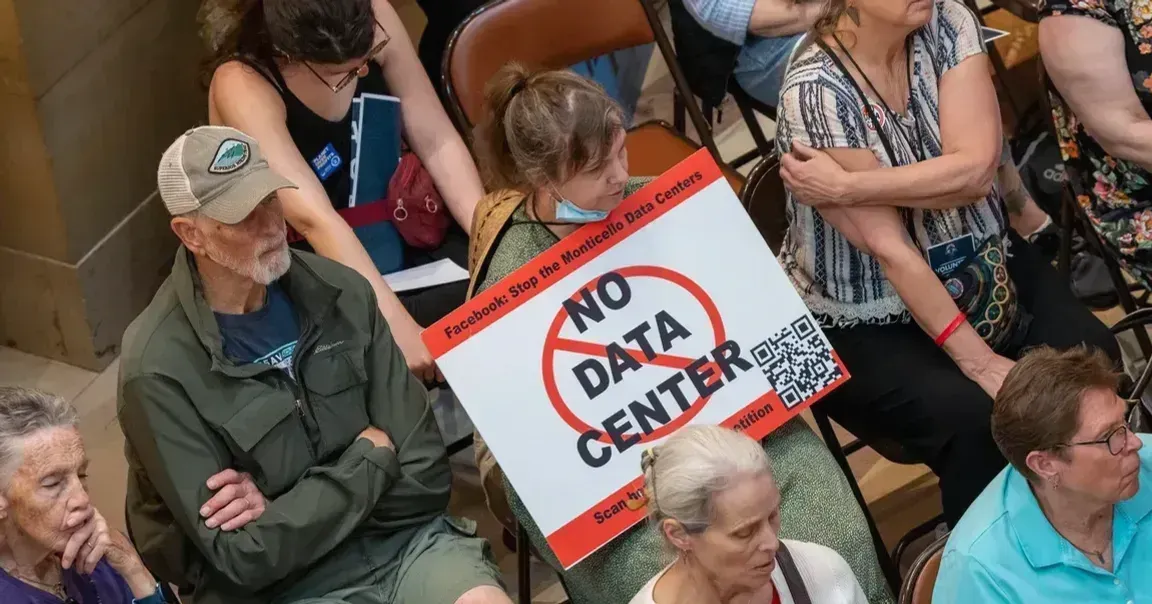
While artificial intelligence has dominated headlines for years, the physical infrastructure powering the technology became an unexpected flashpoint in the 2026 midterm elections. According to recent CBS News exit polls, data centers emerged as a significant concern for more than half of the voting population. Despite their role in driving economic growth and innovation, these massive facilities faced widespread disapproval from citizens who simply did not want them situated in their own neighborhoods.
This sentiment transcended traditional political lines, creating a rare moment of consensus between opposing parties. A vast majority of voters across national districts and key Senate battlegrounds expressed opposition to local construction projects. While this trend provided a strategic advantage to Democratic candidates like Senator elect Sherrod Brown in Ohio and Governor elect Gina Hinojosa in Texas, who integrated anti data center rhetoric into their platforms, it created a paradox for Republicans. Many self identified Republicans voiced similar resistance to these facilities even while continuing to cast their ballots for GOP candidates.
The pushback appears deeply rooted in a broader anxiety regarding the trajectory of artificial intelligence itself. Exit poll data suggests that those who view AI as a net negative for society are far more likely to oppose the building of data centers nearby. These concerns are often tied to environmental fears and the strain such facilities place on local water and energy resources. Interestingly, many voters acknowledged that these hubs could provide a boost to local tax revenues, but that financial incentive was generally not enough to outweigh their ecological and social worries.
Across urban, suburban, and rural landscapes alike, the message from the electorate remained consistent throughout the cycle. By interviewing thousands of participants at polling locations nationwide, CBS News captured a growing movement of digital NIMBYism that may complicate future expansions for tech giants. As final counts continue to come in, it is becoming clear that while AI continues to evolve rapidly in software, its hardware faces a steep climb toward public acceptance.